2024 Year in review
Circular Economies





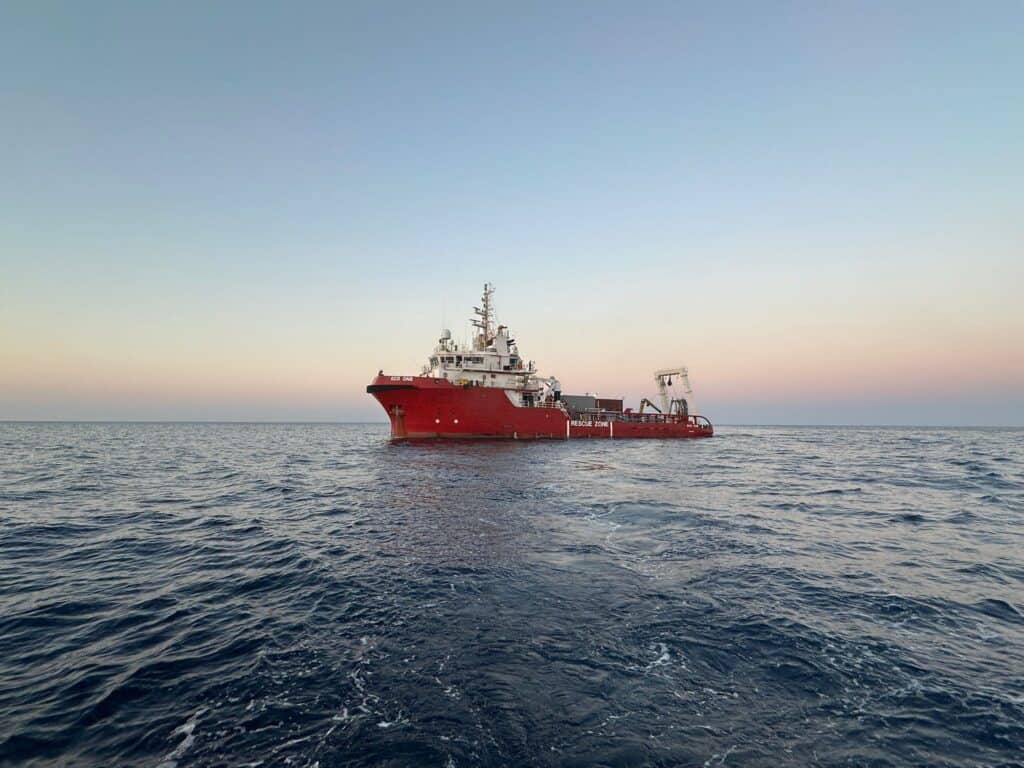

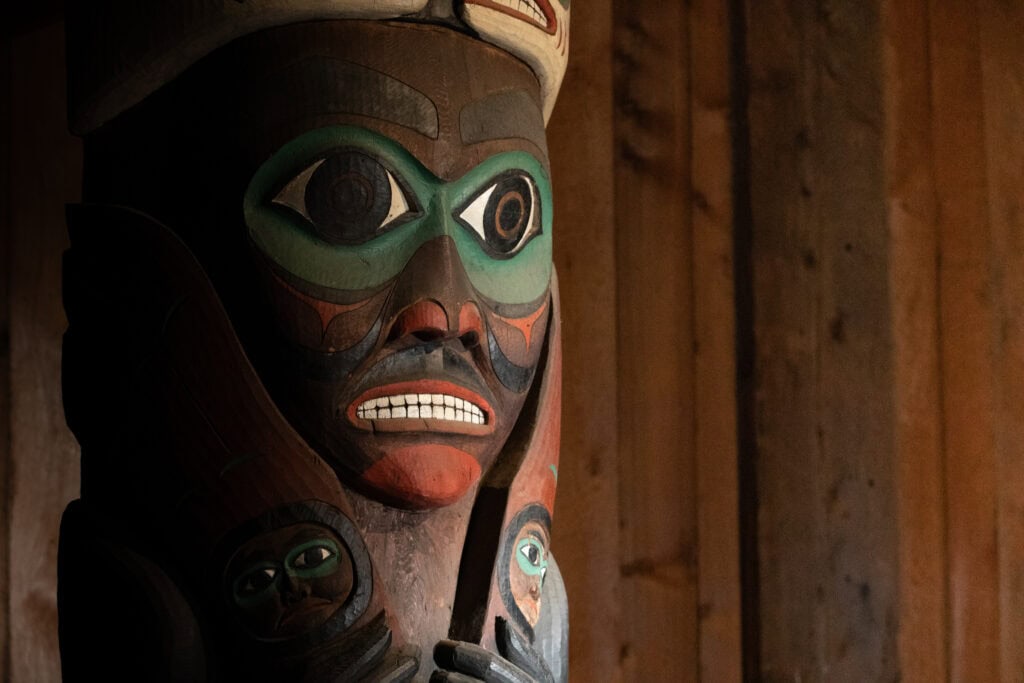
Table of
Contents
COVER ARTIST STATEMENT
The life cycle of salmon is a powerful reflection of balance, renewal and reciprocity. This design represents the circular economy of salmon, where each stage — egg, river, salmon and ocean — flows in an unbroken cycle. Just as salmon nourish the land, waters and people, they remind us of our responsibility to sustain and protect these natural systems. Their return is not just a migration but a story of resilience, one that our communities have honored for generations. By respecting these rhythms, we ensure that future generations will continue to witness and benefit from this sacred cycle.
Nick Alan Foote (Gat Xwéech) is a Tlingit artist and illustrator.
Letter to our shareholders
A Letter
from Leadership
We are committed to sustainable growth in our global operations and are dedicated to preserving our cultural heritage. We have forged partnerships and businesses that embody our core values, financed initiatives such as language preservation and cultural education, empowered Alaska’s small business communities, provided opportunities for our students to become the next generation of leaders, and engaged in public policy advocacy on key issues for our people, all while managing distributions and benefits that directly impact our growing ownership base.
We are more optimistic than ever about Sealaska’s future. As we drive global innovations in ocean health, sustainable seafood, and natural resource management, we remain rooted in our Indigenous stewardship — a commitment that safeguards the land, its habitats, and waterways for future generations. The financial strength of our organization supports a visionary management team that opens doors to new talent and investment opportunities, ensuring that our strategic plans yield historic profitability and real value creation for every shareholder.
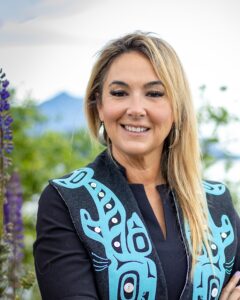
I am deeply grateful for the dedication of our management and staff who work tirelessly to enhance profitability and prepare us to seize tomorrow’s opportunities. Equally, I thank you — our nearly 27,000 shareholders and the expanding family of over three million shares — for your trust, active voices, and ongoing support. I invite you to stay engaged through our newsletters, social media, community meetings, and websites. Together, embracing our past and looking boldly toward the future, we continue to strengthen Sealaska for generations to come.
Háw’aa,
T’oyaxsut ‘nüüsm,
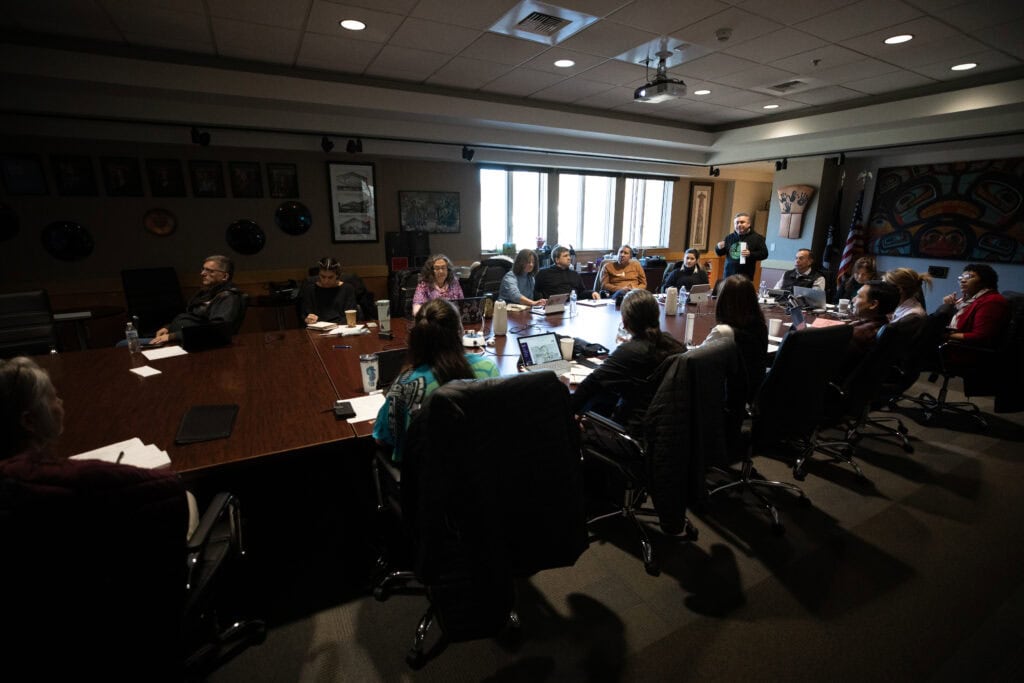
Board of directors
Leadership
Board of Directors
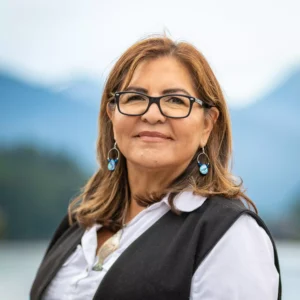

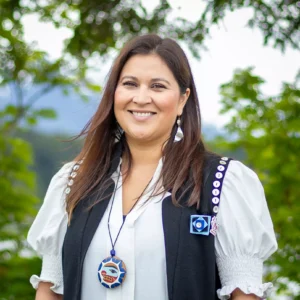
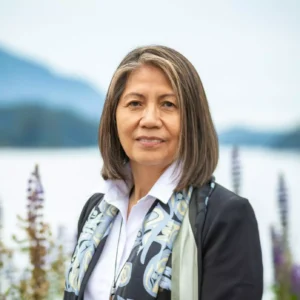
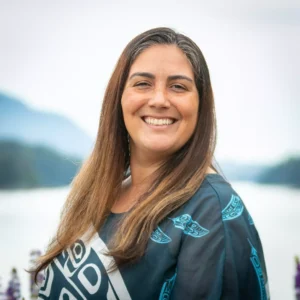
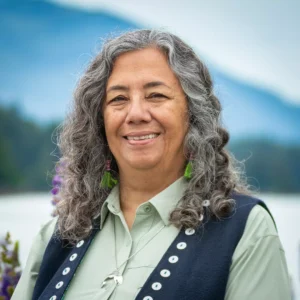
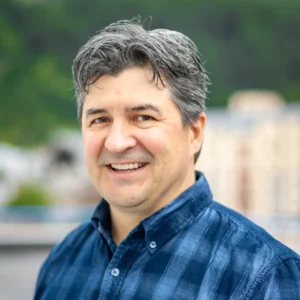
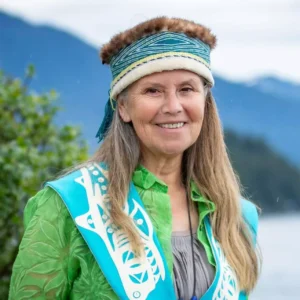
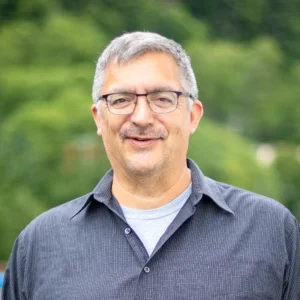
Executive Management
Circular economies
Circular
ECONOMIES




OUR MISSION
OUR Vision
WE ARE ALL ONESEALASKA

WOOCHEEN
Our 2035
VISION
The world has the best possible research and data to model and fight the effects of climate change
Fisheries across the planet are healthy and sustainable
Everyone — anywhere in the world — has readily accessible, clean drinking water
Half of the planet’s lost wilderness is restored, supporting biodiversity
All energy is derived from clean, sustainable sources
Community owned,
culturally inspired
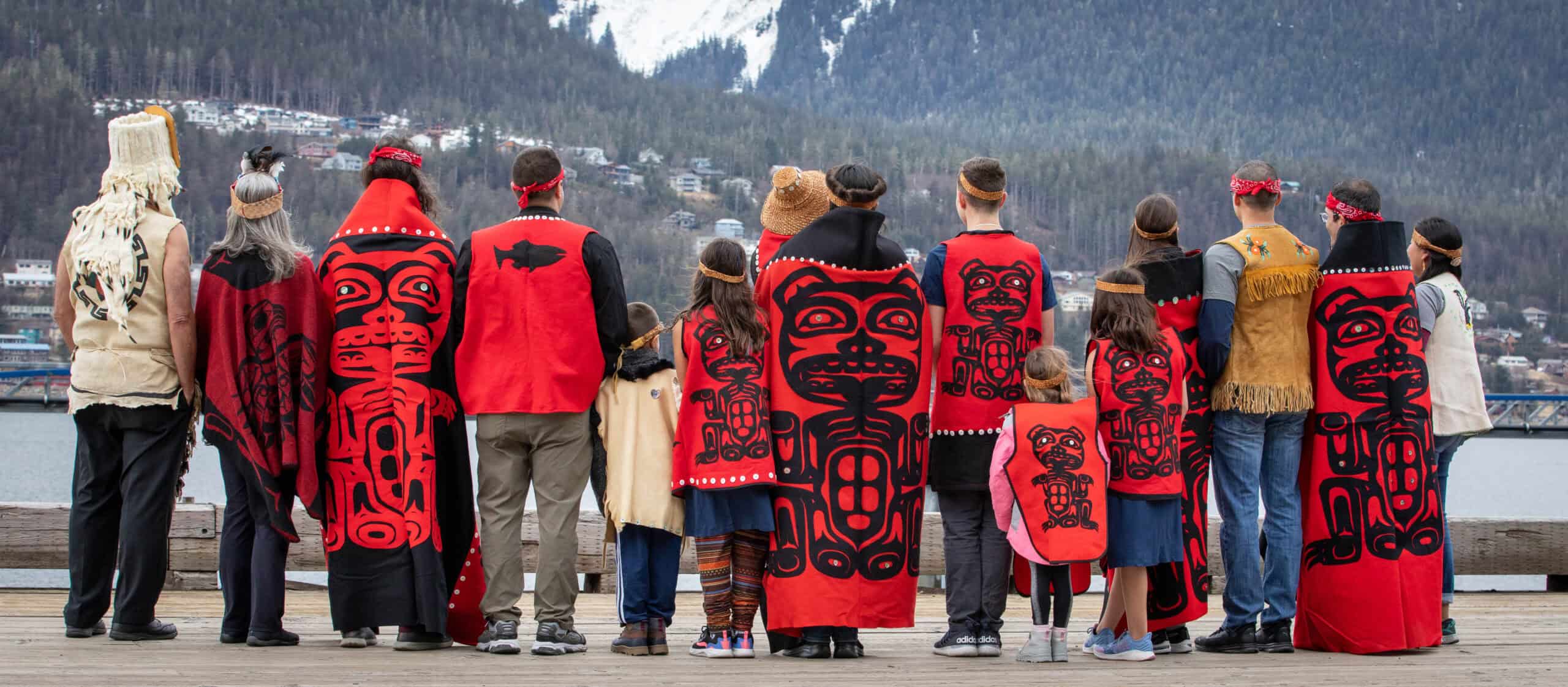
The shared heritage of our Alaska Native owners inspires Sealaska’s business model. Thousands of years of connection to land and sea inform our work at Woocheen, which helps solve the world’s most important problems.
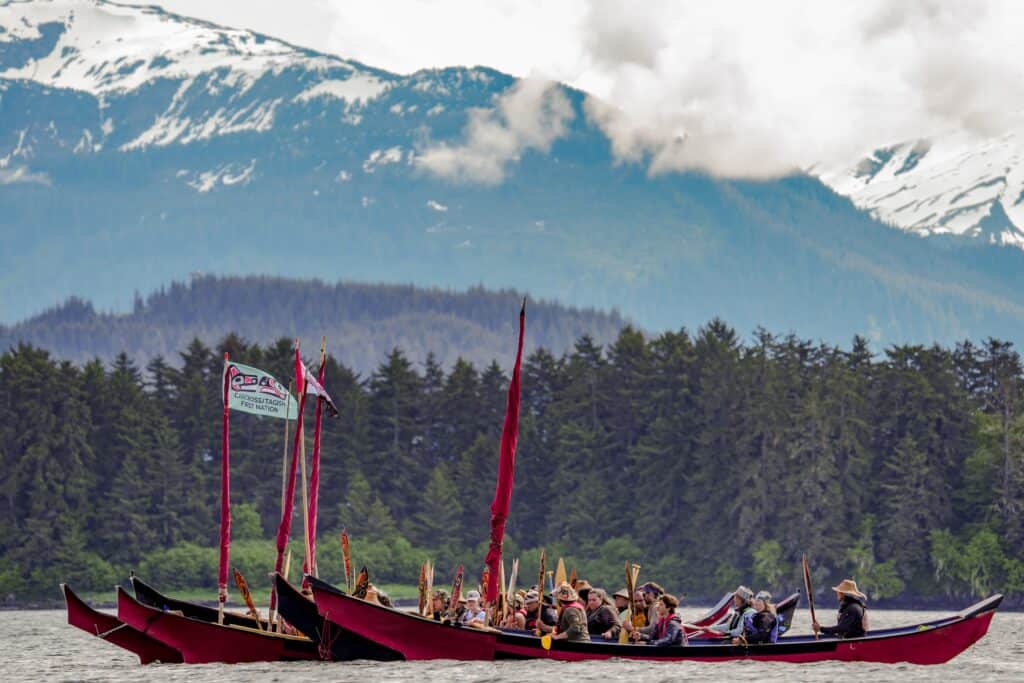
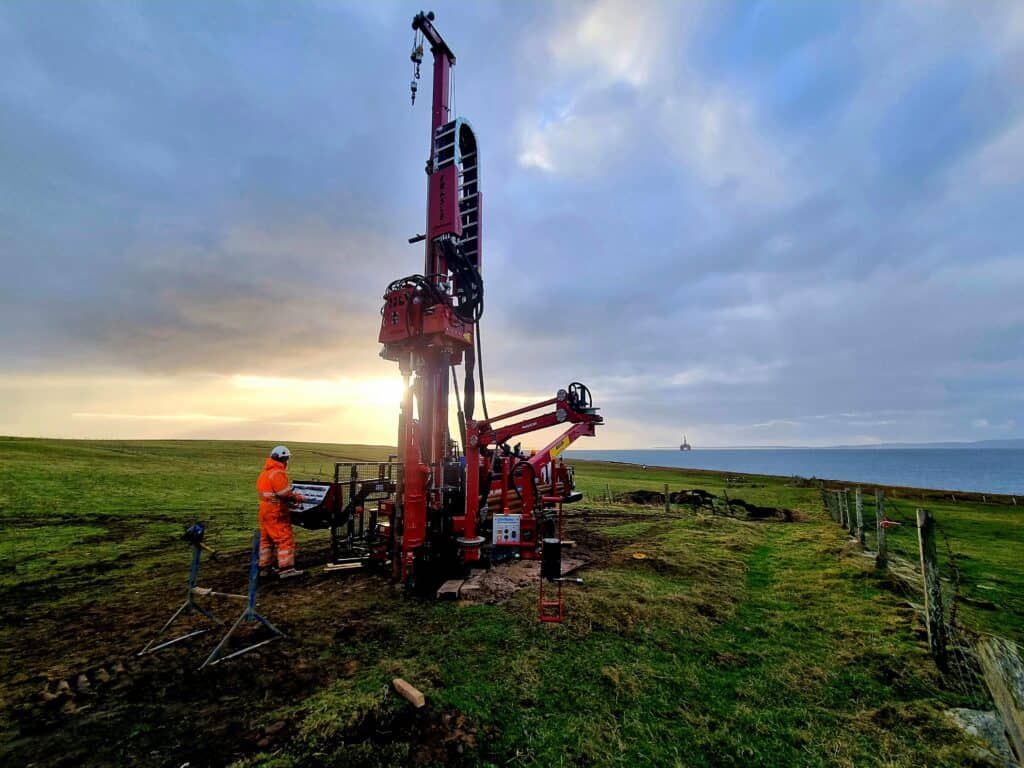
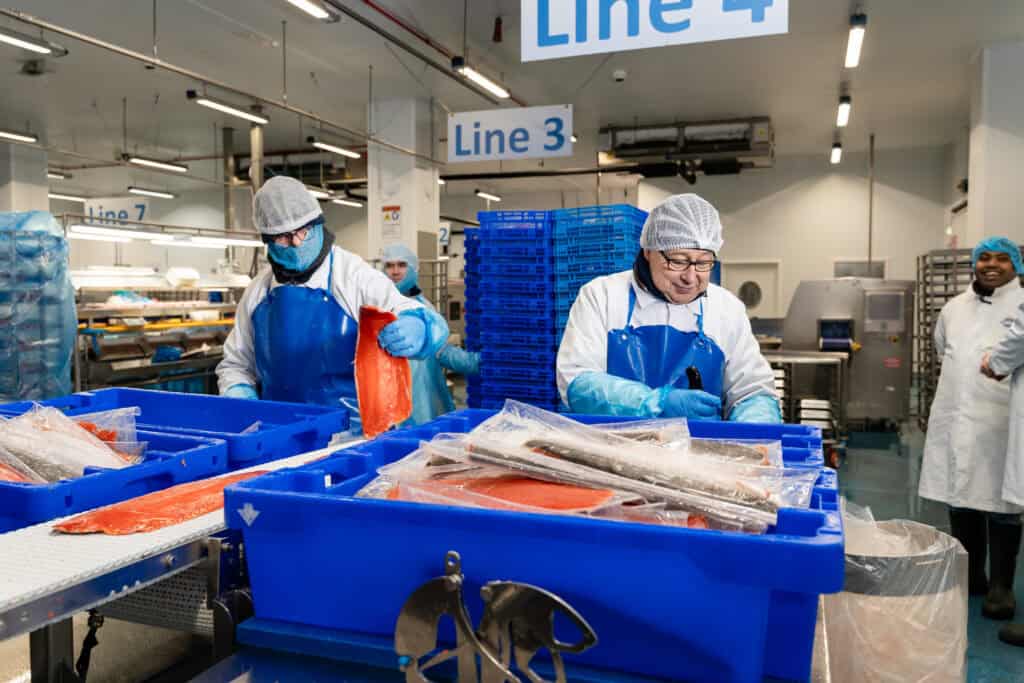
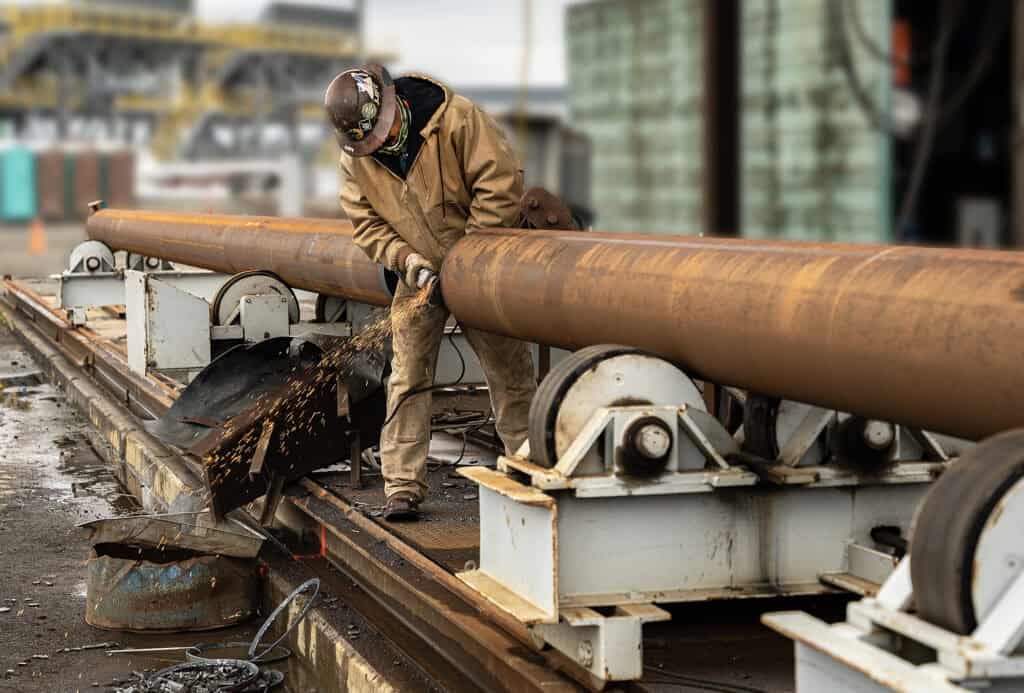
For people
For Planet
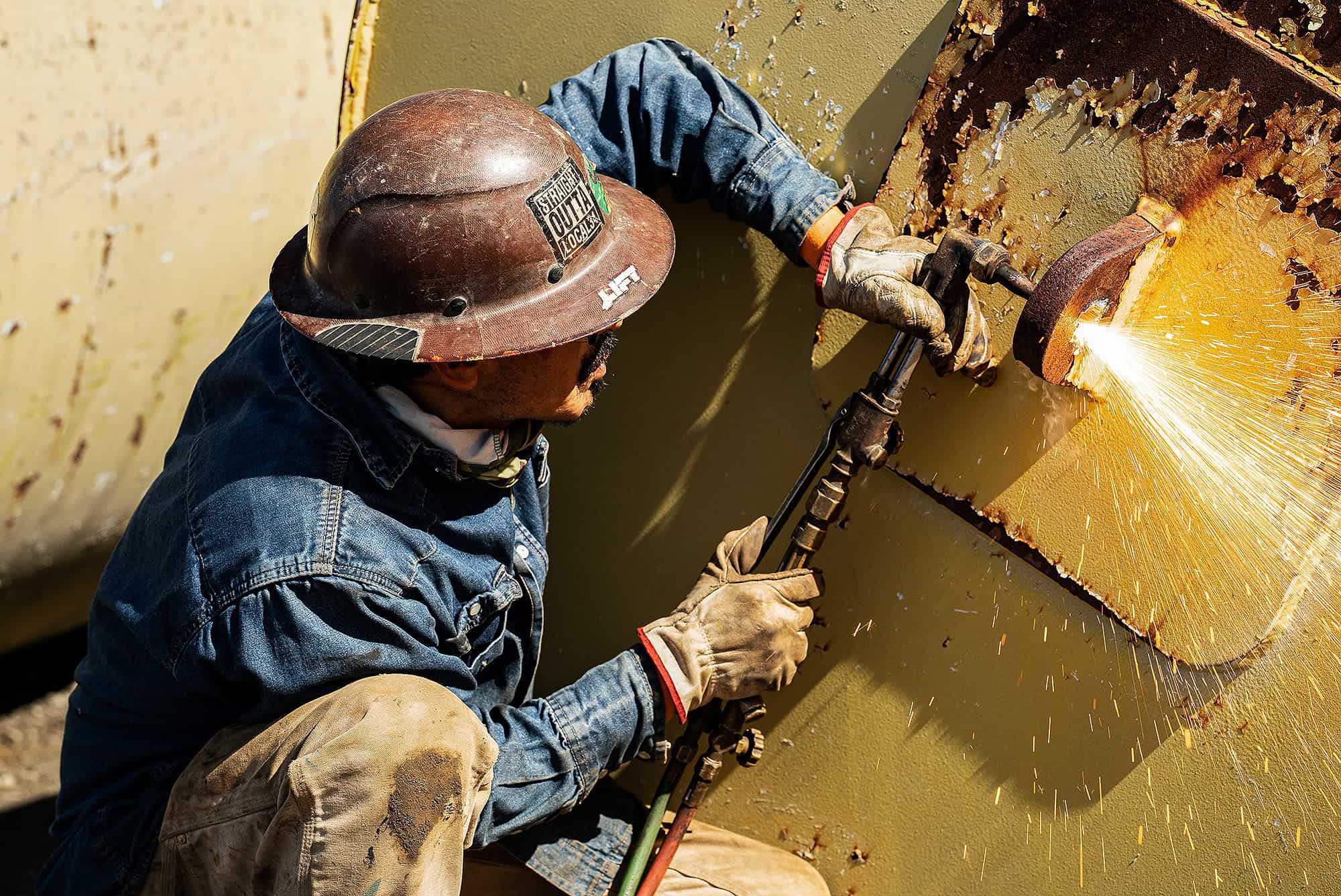
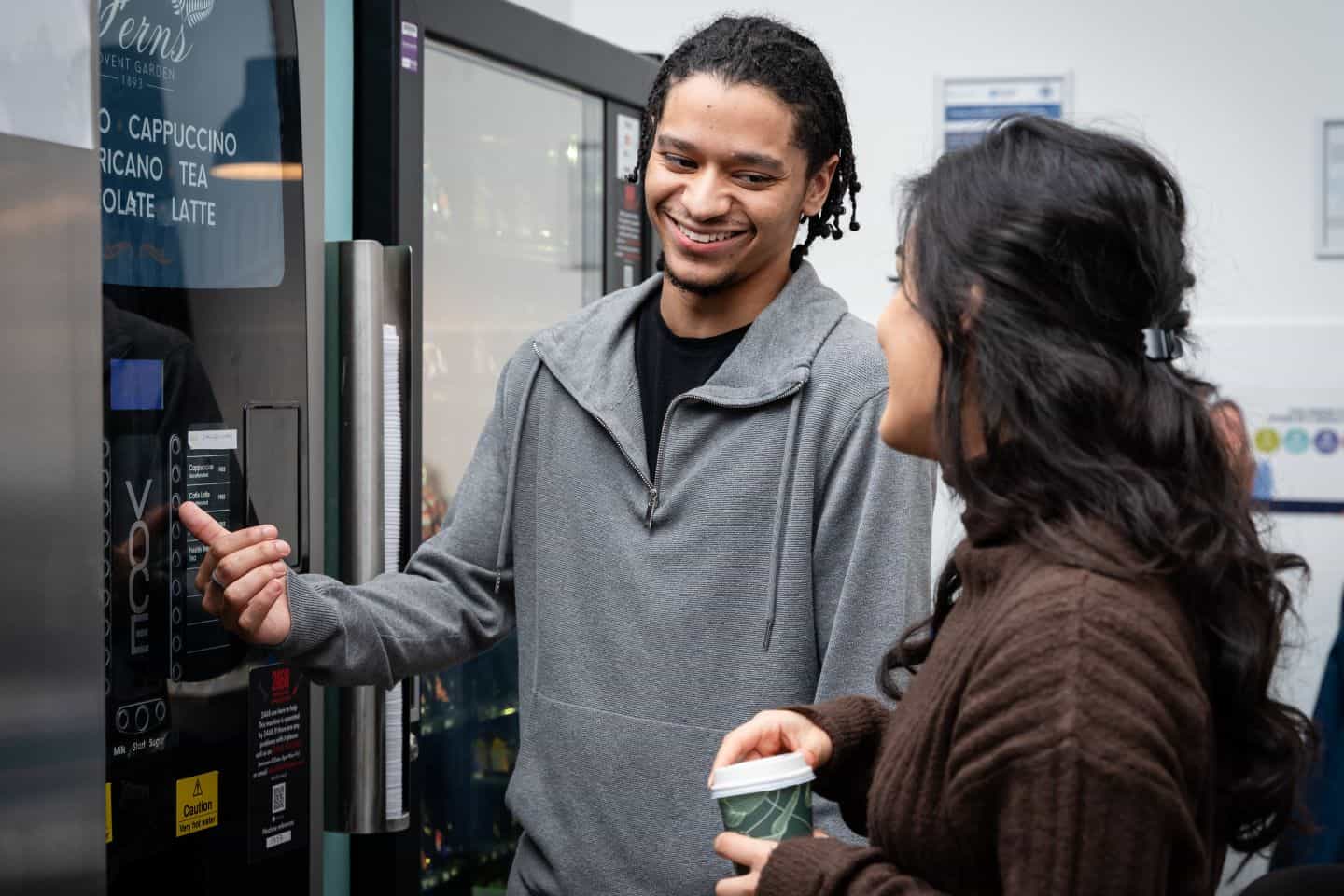
The glue that holds it all together is our employees, willing to solve problems together in difficult environments. Passion, integrity and purpose keep us going. History has shown us that, when we work together, we’re capable of anything. That’s the spirit that fuels Woocheen.
million
million
Woocheen's Work:
DIVING DEEPER
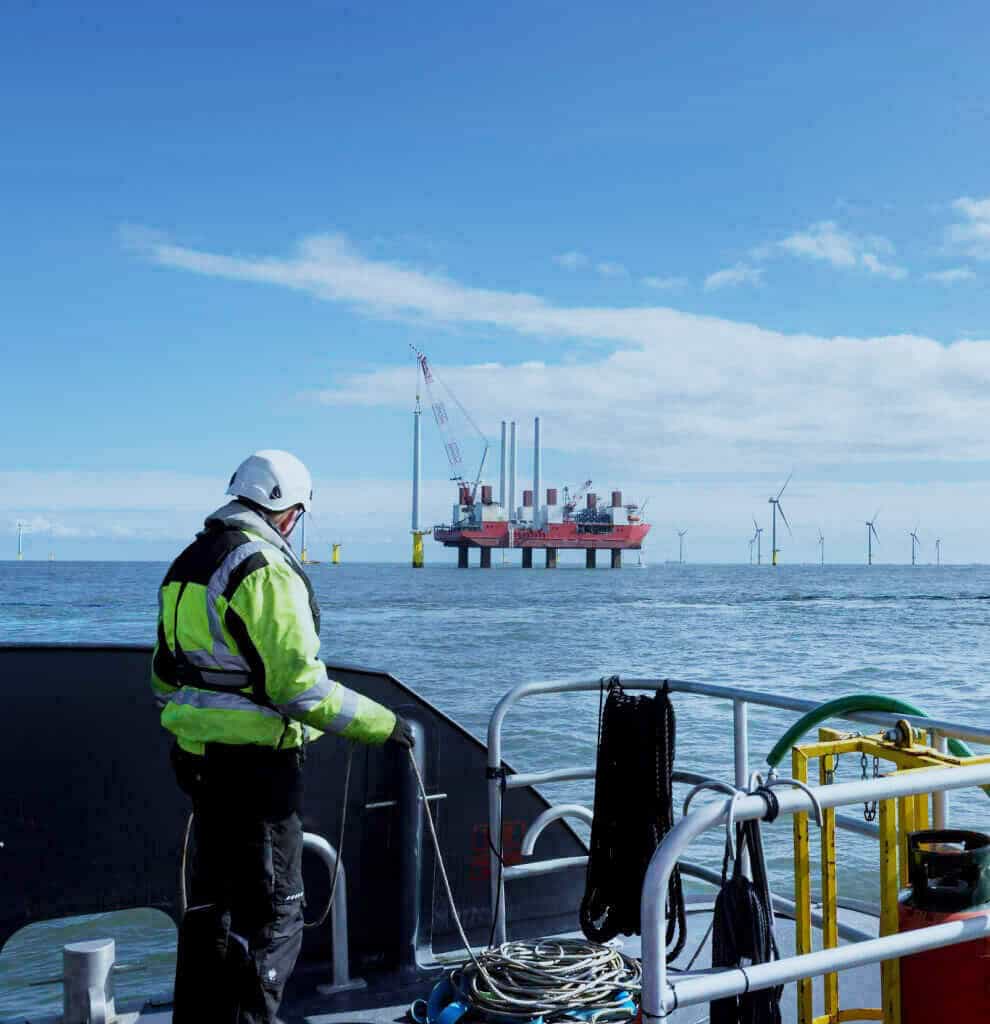
To strengthen our ability to work in deep water with cutting-edge tools, we acquired UK-based DME Systems in 2024. DME brings deep engineering talent that specializes in designing subsea vehicles and control systems that serve offshore industries. DME helped design Seas Geosciences’ new deepwater drill, which can collect soil samples from the seafloor in water up to a mile deep.
HAA AANÍ
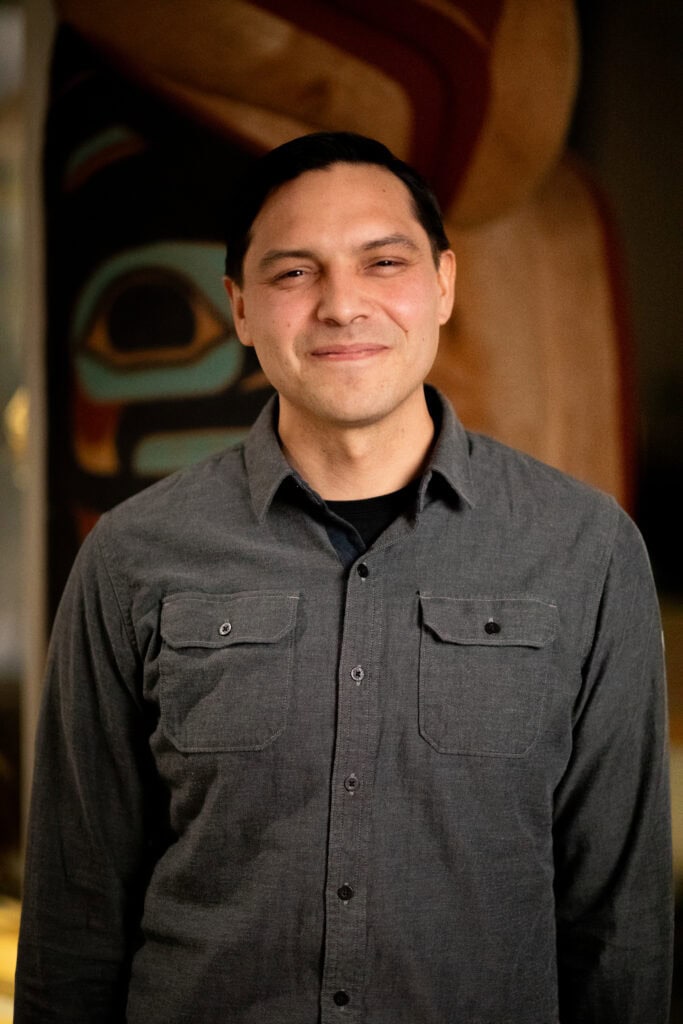
Jason Gubatayao
General Manager
Haa Aaní
Stewarding
Our Lands
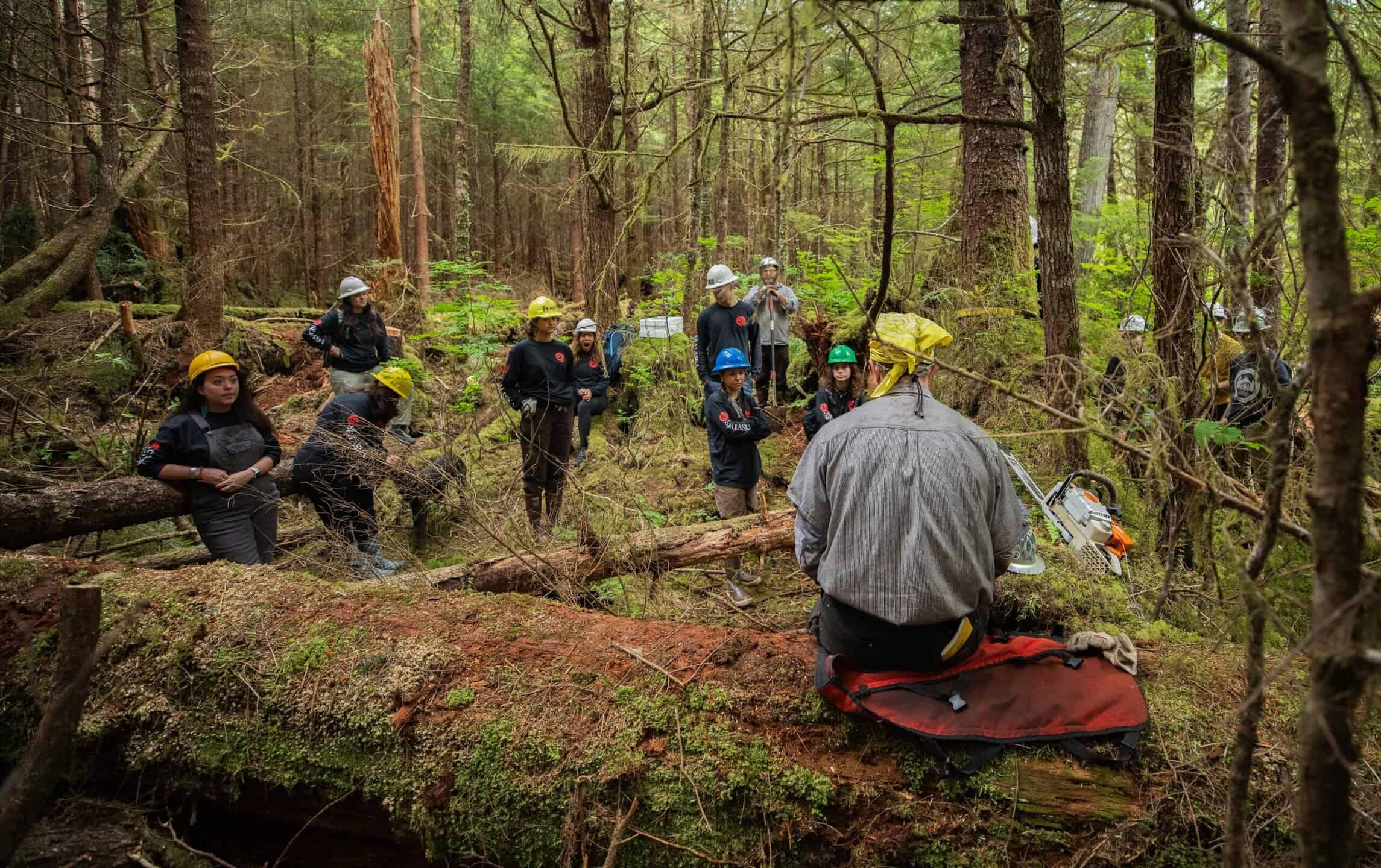
Continually caring for over 362,000 acres involves forest stand improvements for wildlife, developing road management plans for access, and creating programs like our cultural wood use program to ensure sustainable red cedar sources for carvers.
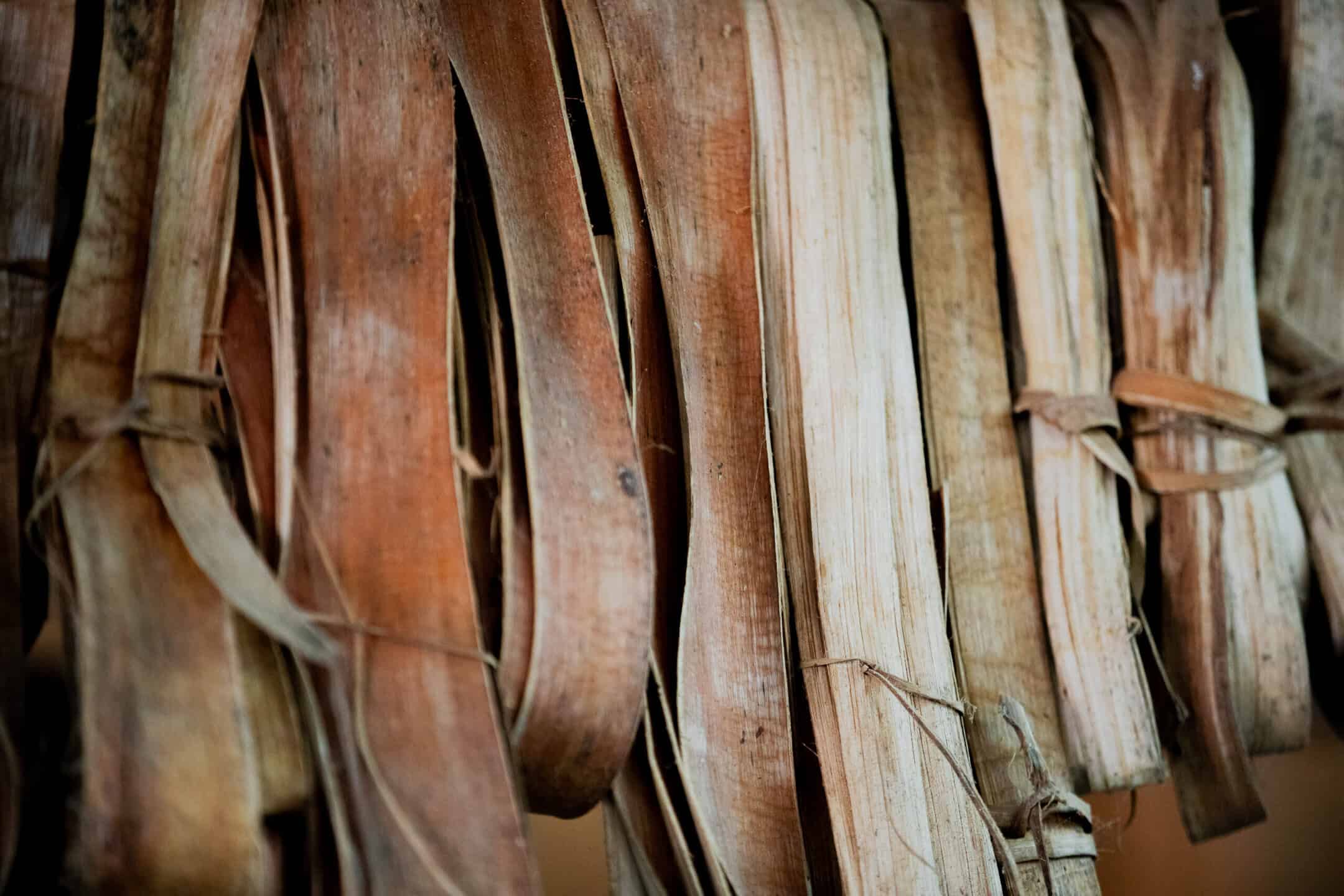
In 2024, Sealaska donated six totem logs, one canoe log, over 1,000 wood paddle blanks, and nearly 3,000 ounces of dried cedar bark for weaving workshops.
When restoring habitats, ecology doesn’t follow property lines, but natural boundaries — mountains, oceans and islands. Sealaska's stewardship efforts are supported by a coalition of partners and funding streams built through relationships. Through the efforts of existing forest partnerships and buy-in from cities, tribes and other corporations, we are moving from resource extraction to habitat restoration.
Our model is community-driven: aligning ourselves with stakeholders to make collective decisions, ensuring community input guides and prioritizes our work. This model is now being adopted in other communities as well, with participation from local governmental partners.
Sealaska cares for approximately 362,000 acres of our traditional homelands. While this represents a small portion of our peoples’ original lands, it remains a large and vital stretch of Southeast Alaska, which continues to feed our communities and nourish our culture.
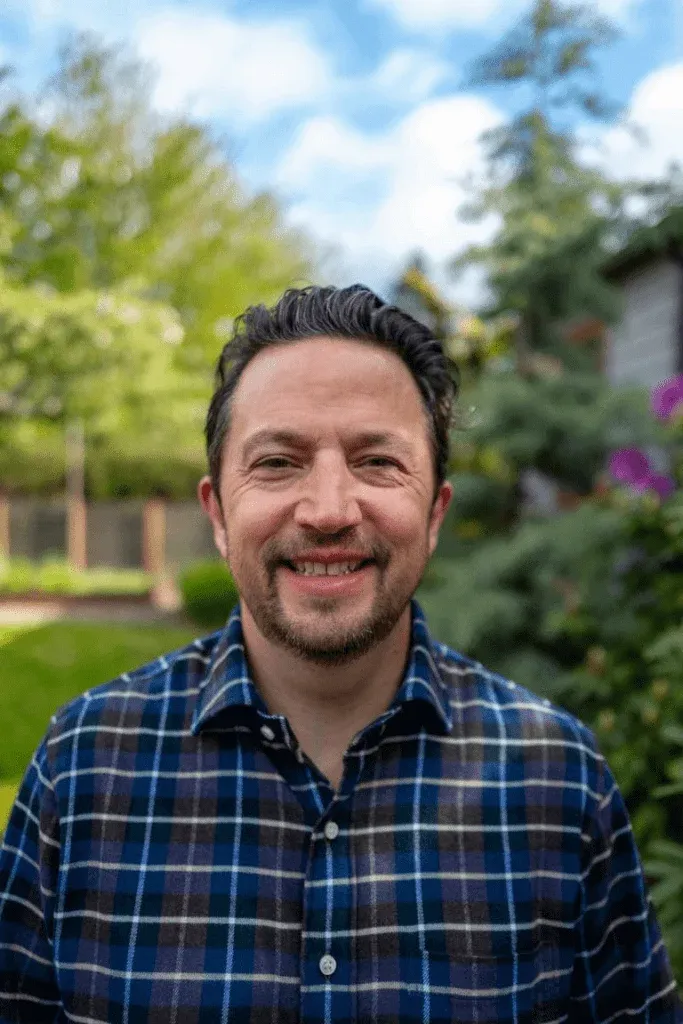
Derik Sigwinii’tsn Gayna Frederiksen
Sealaska Vice President of Regional Business Development
Better Together
For example, we work with Spruce Root to hire local contractors for this stewardship work. Last year, Sealaska dedicated $400,000 to Spruce Root’s efforts to empower Alaska’s small business communities. From that, between 2023 and 2024, Spruce Root invested over $5.6 million in Southeast Alaska Native communities across its programming. Since Spruce Root’s inception, their loan program has deployed direct financing and guarantees totaling over $4.3 million to 36 businesses in 12 communities across the region.
An important part of stewarding land in perpetuity is ensuring funding streams for future generations. Seacoast Trust is a pillar of that endeavor. By setting dedicated funds aside, the interest from that becomes a renewable, sustainable source of financing for this work. Between 2021 and 2023, Sealaska donated $10 million in matching funds for Seacoast Trust — which has inspired another $17.5 million in contributions from others to date — establishing this visionary organization, which in turn supports local empowerment groups such as the Sustainable Southeast Partnership and others.
Cultural Impact
BUILDInG UP
INDIGENOUS SCIENCE
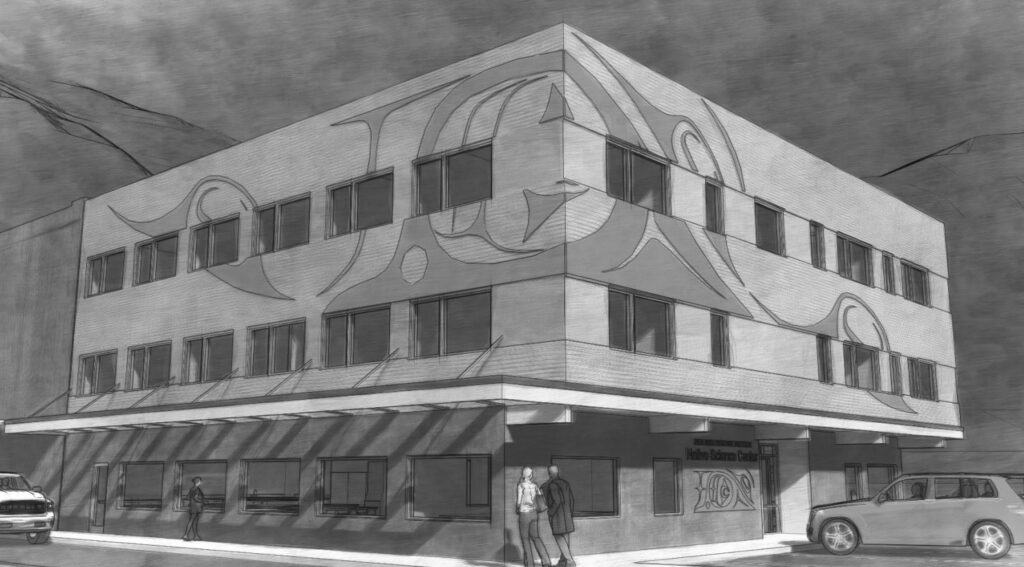
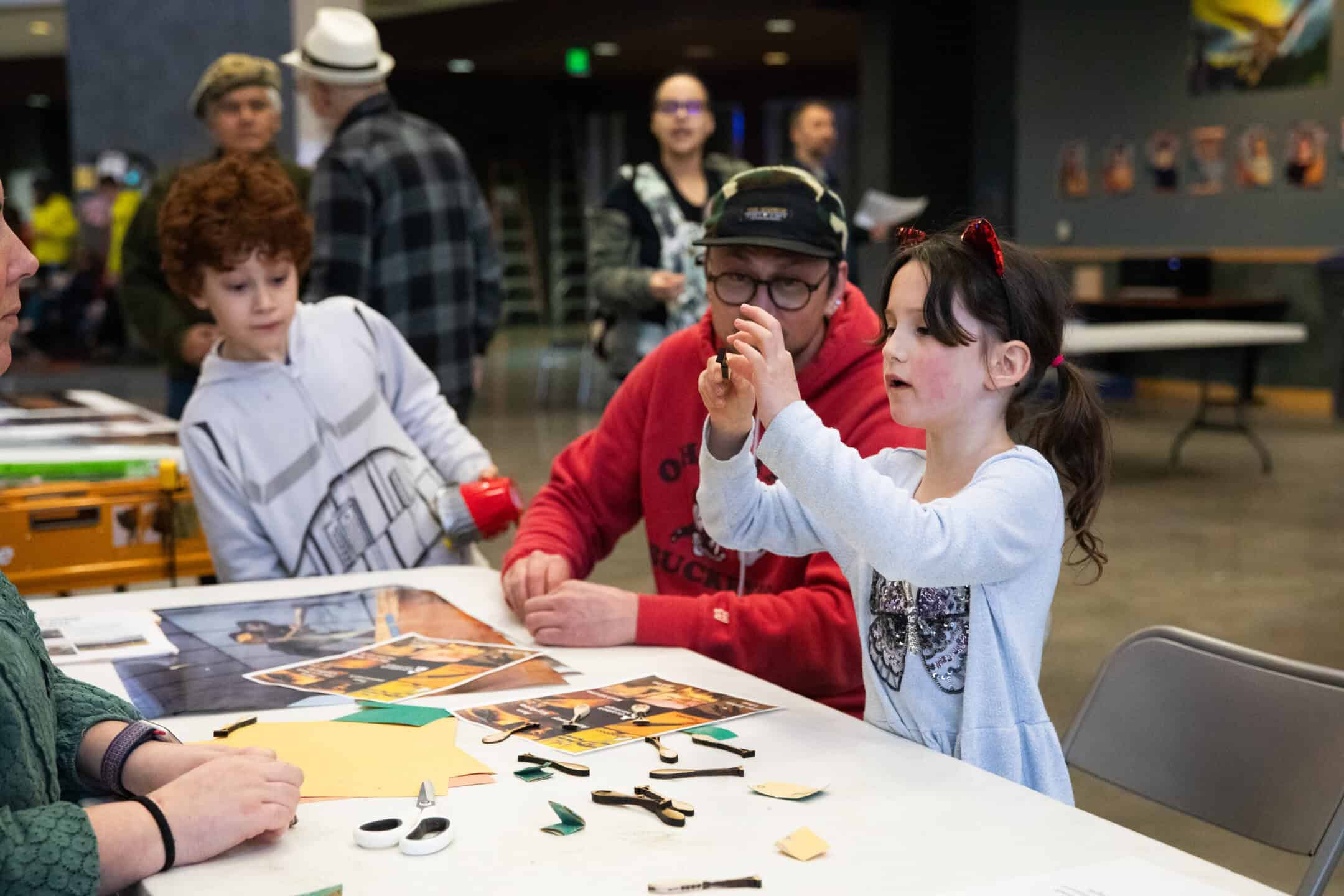
This new space explores how Indigenous science refines and reimagines STEAM tools and concepts within a cultural framework and serves as a hub for intergenerational learning and collaboration.
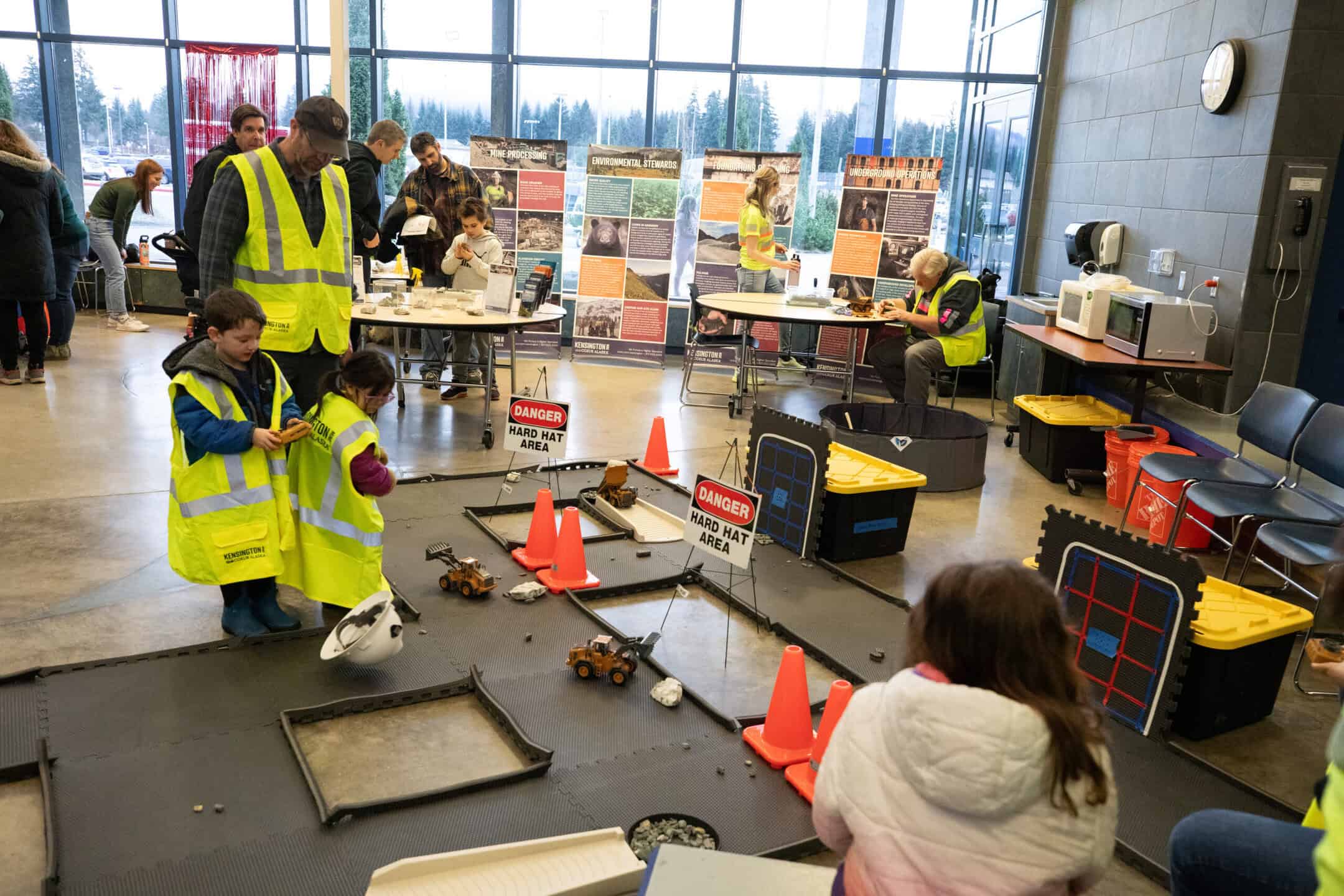
SETTING THE STANDARD
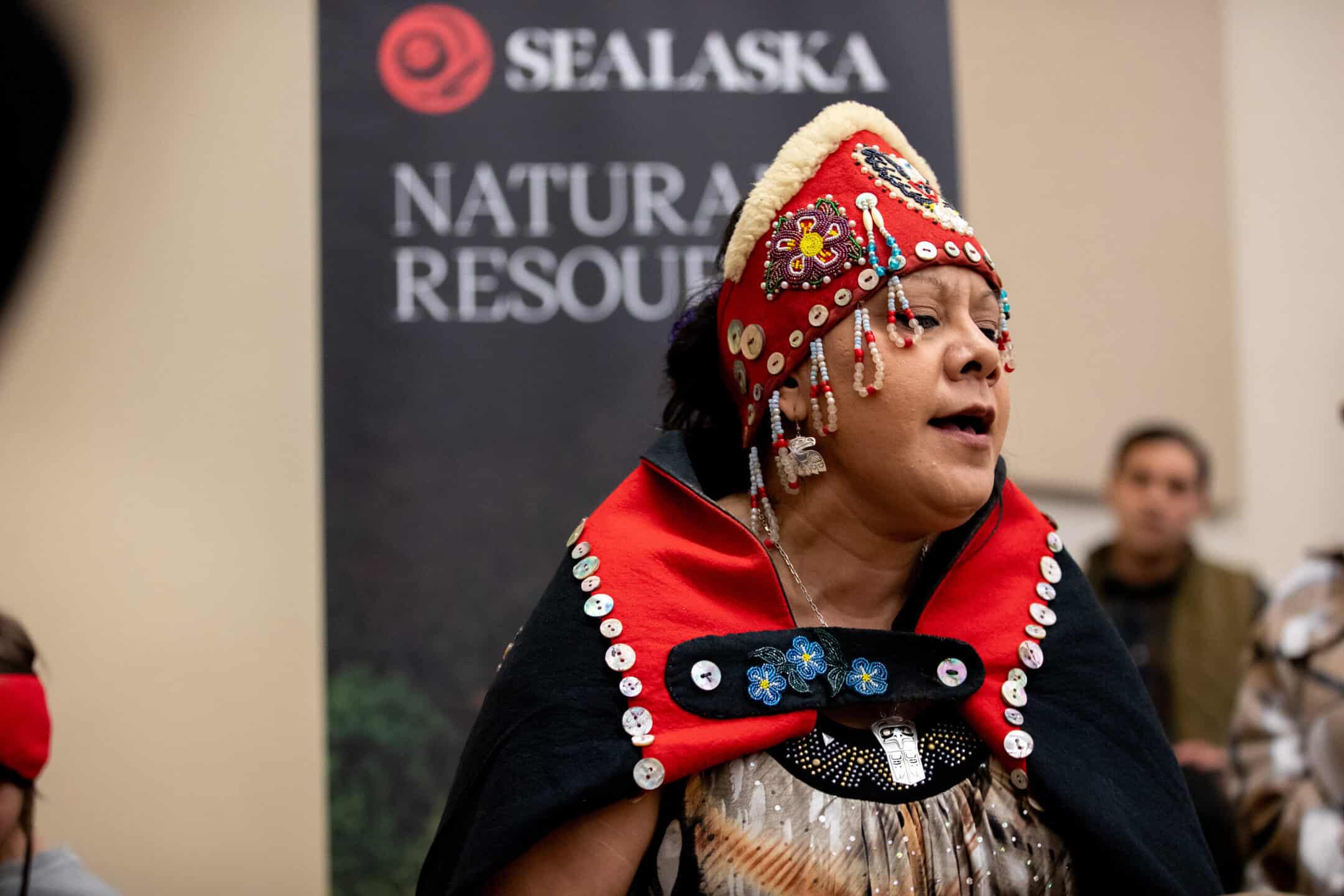
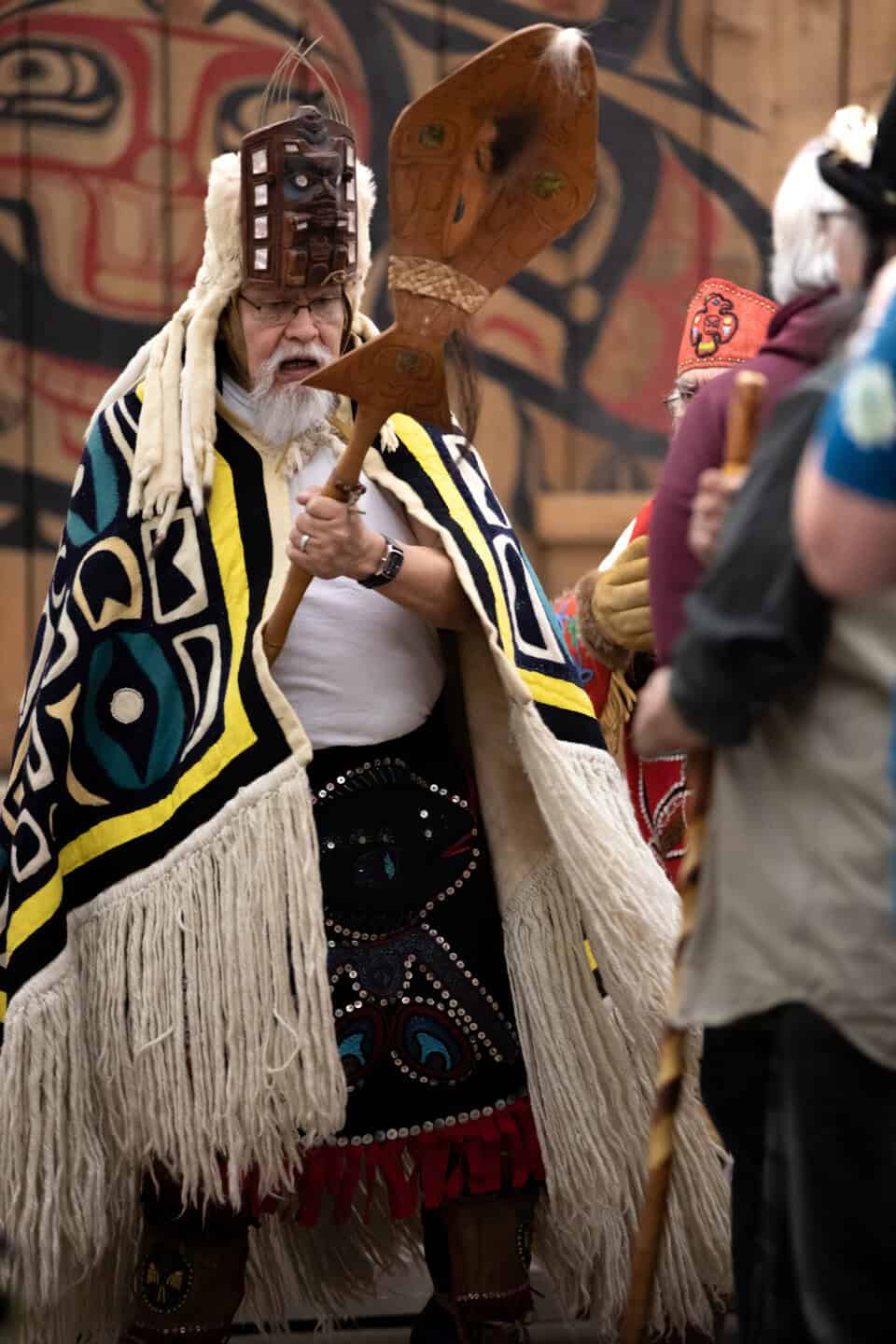
Having statewide Lingít language learning standards is monumental for Alaska, and we are proud that Sealaska Heritage Institute led this process. The final product, developed by a state-wide working group of language teachers and speakers, is rooted in Alaska Native ways of teaching and learning.
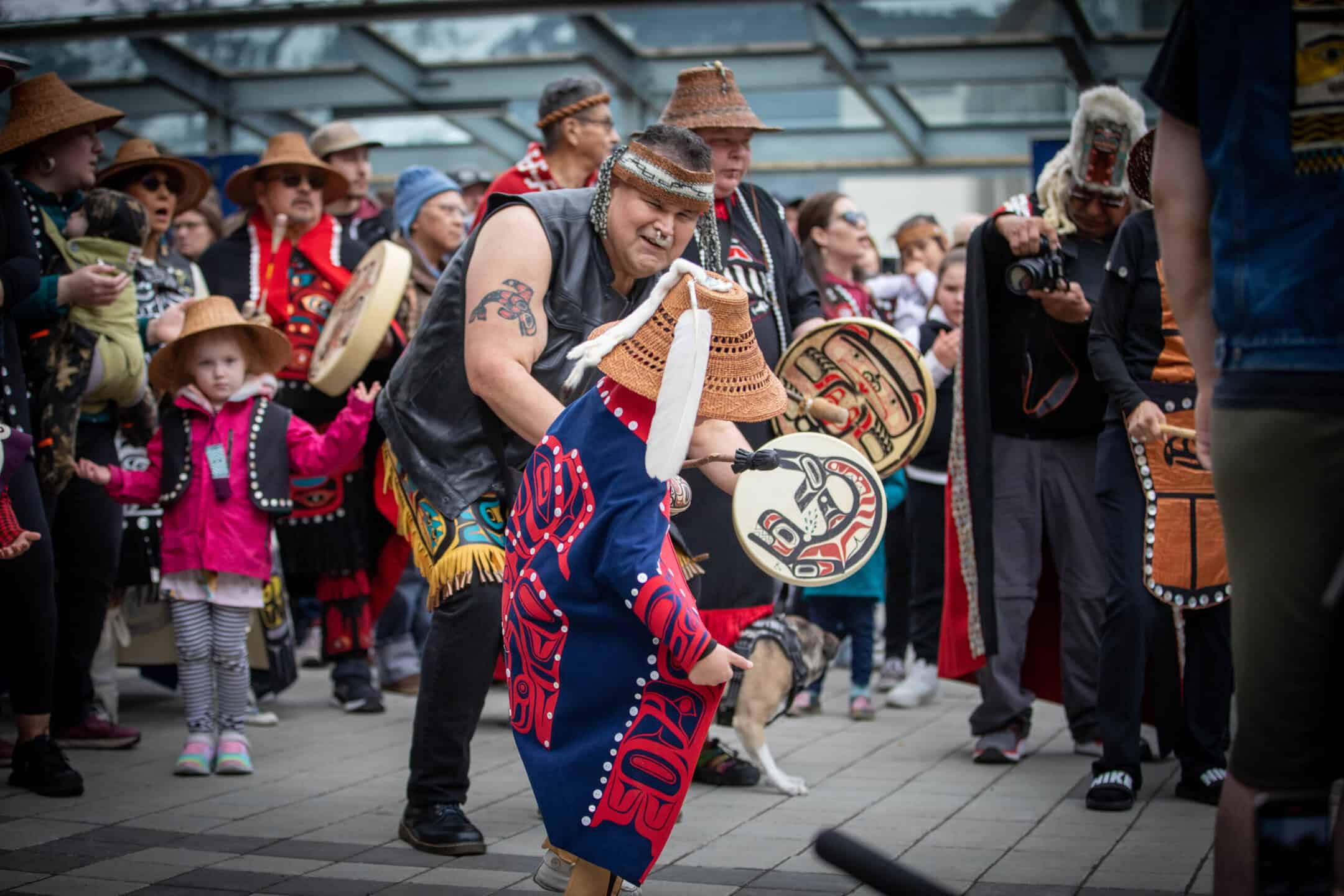
In 2020, Sealaska set aside $10 million to establish the Language Revitalization Fund for a period of 10 years. The earnings of the fund are used to support programs focusing on the revitalization of Tlingit (Lingít), Haida (X̲aad Kíl) and Tsimshian (Sm’algya̲x) languages for future generations to come.
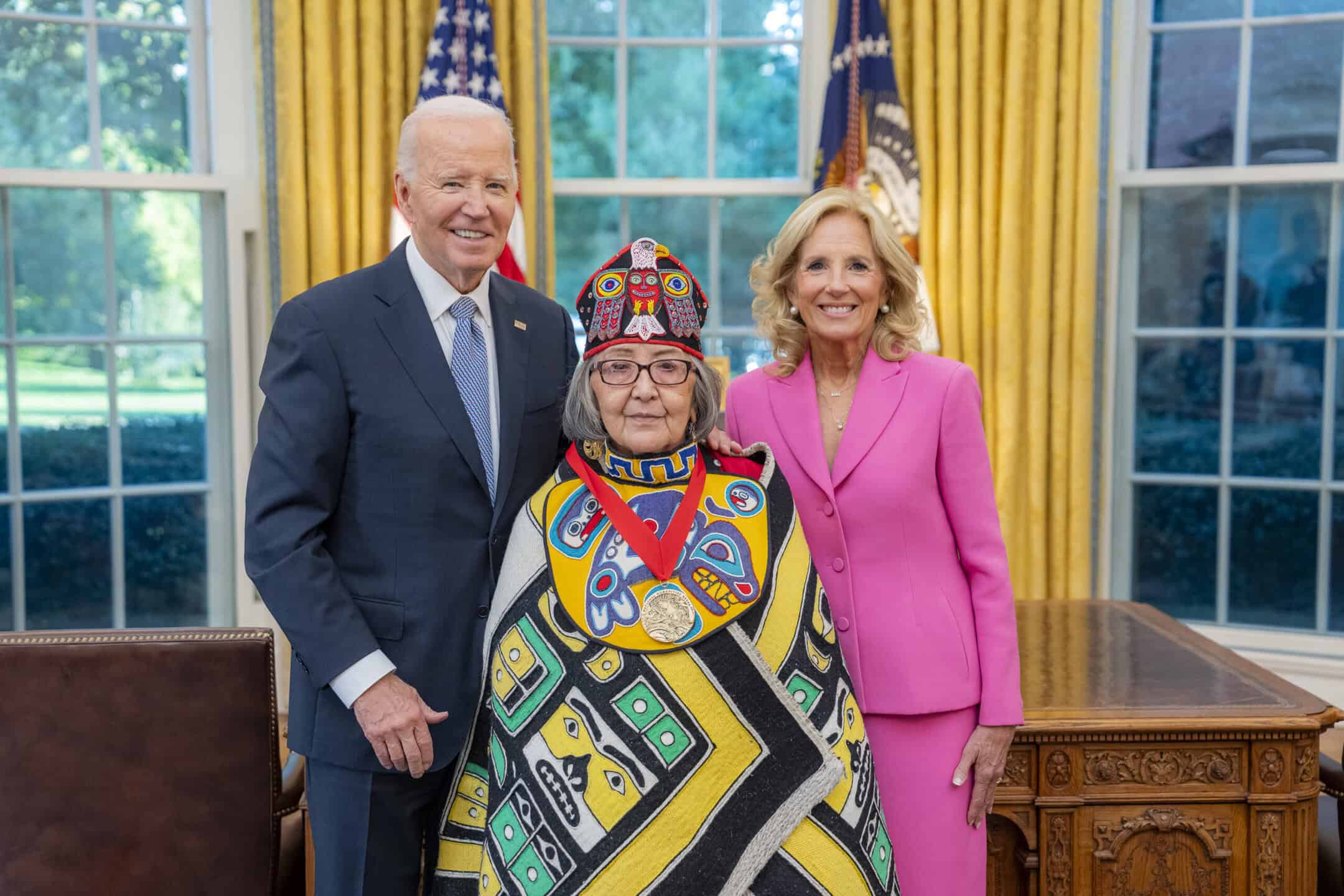
Sealaska has invested in Sealaska Heritage Institute’s perpetuation and enhancement of Tlingit, Haida and Tsimshian culture. SHI was able to leverage Sealaska’s investment to achieve a total budget of $30 million last year.
INVESTING IN COMMUNITIES
Collectively, these efforts help nurture healthier citizens who are productive, self-sustaining and able to break free from the dependency fostered by previous government policies. Sealaska and Sealaska Heritage Institute invest in education for significant, positive change in our communities by meeting children and families where they are and providing support.
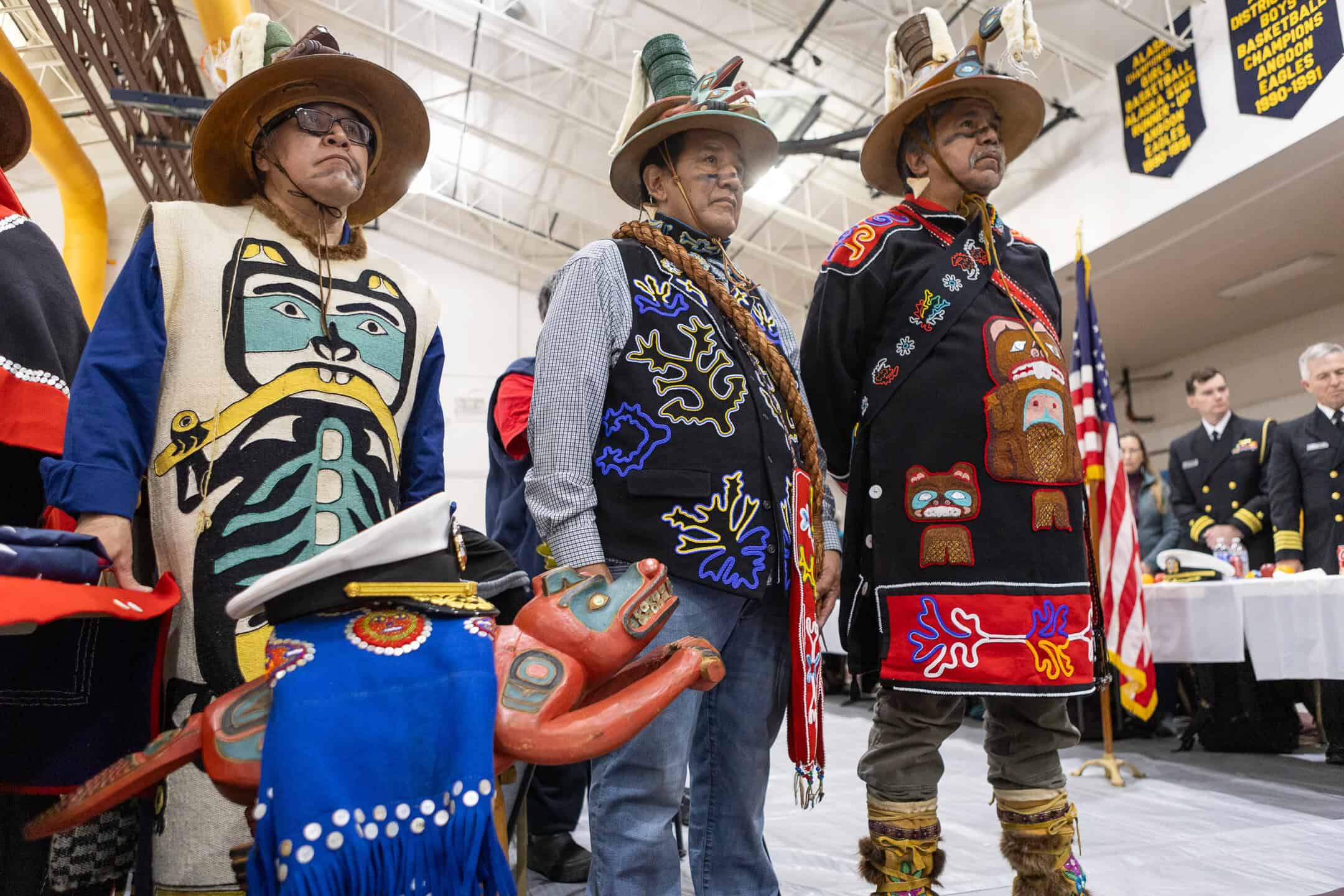
Historical Healing
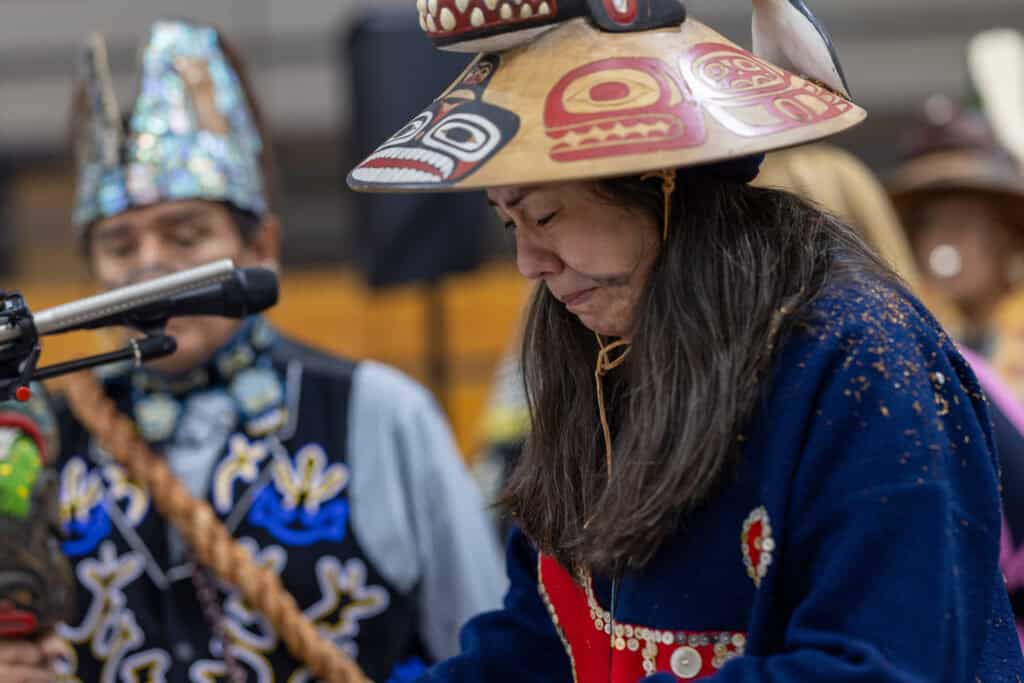
The U.S. Navy formally apologized to the village of Kake last September for its bombardment of the community and its associated sites more than 150 years ago, launched in the winter of 1869, destroying homes, canoes and food supplies, which led to many deaths in the aftermath, especially among children and Elders, according to Kake oral histories.
Then, in October, the U.S. Navy also formally apologized to the community of Angoon for its bombardment of the village in 1882 that led to the deaths of six children and a brutal winter without shelter and provisions. According to the story of Billy Jones, a 13-year-old resident at the time of the attack, every structure was destroyed.
Later, this January, the U.S. Army issued a formal apology to the people of Wrangell for its 1869 bombardment of their village, when soldiers from Fort Wrangell shot individuals, used artillery on civilian houses, issued threats and ultimatums, and martyred a Tlingit man who gave his life to spare the village from further destruction.
In solidarity, the Sealaska Board of Directors passed a 2024 resolution to support reparations to these communities for this critical and ongoing process of healing.
Gunalchéesh, háw’aa and t’oya̲xsut ‘nüüsm to our clan leaders, tribal representatives and all community members who worked tirelessly to make these historic first moments of reconciliation possible.
INTERNSHIPS & SCHOLARSHIPS
LEARNING from experience
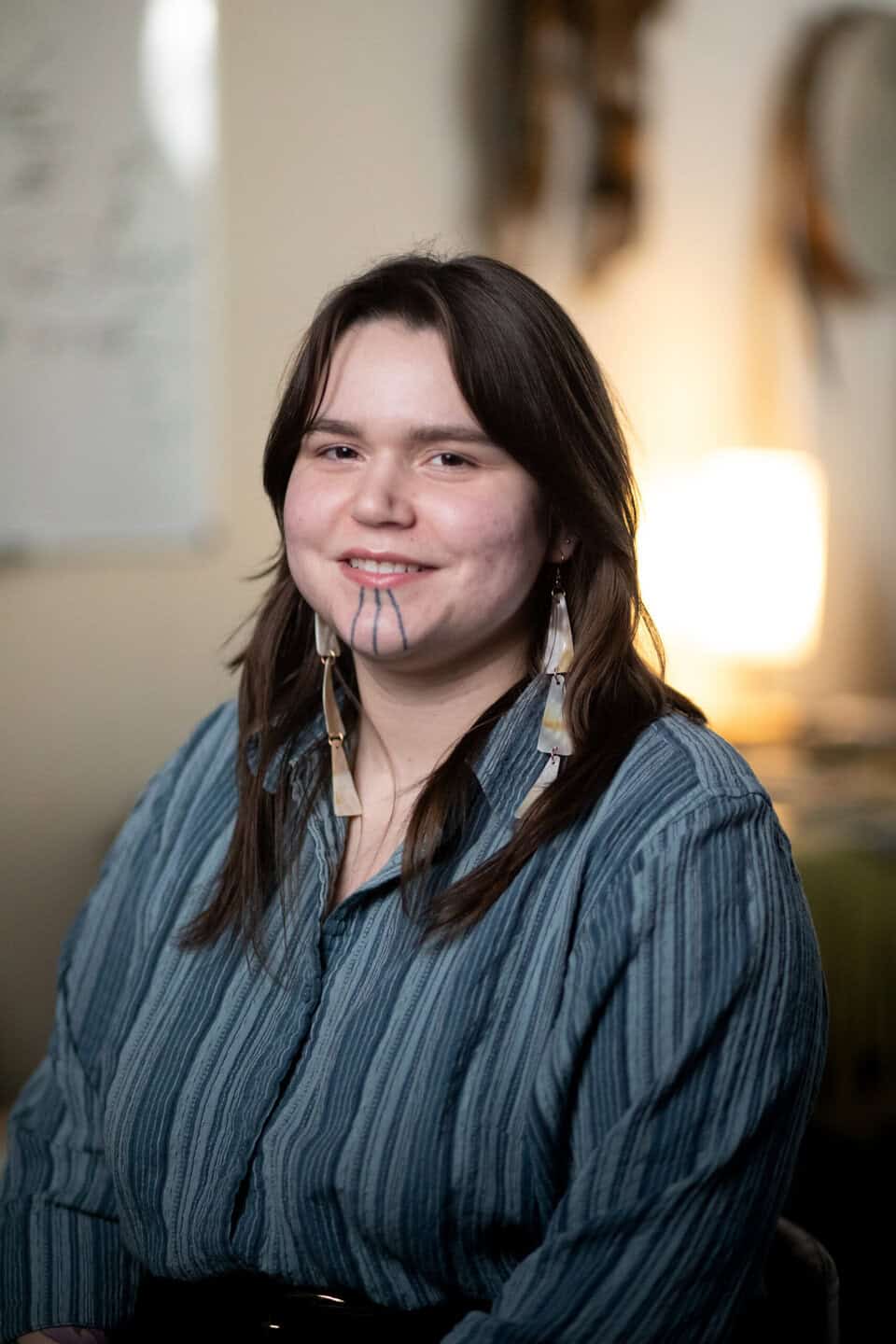
The impact of these internships is profound. One of the most powerful things we can do is invest in our youth — supporting their success and strengthening their connection to their cultural heritage.
When we uplift and empower our young people, we are ensuring a stronger future for all. This kind of investment in our youth is essential. Sealaska internships are an incredible opportunity to gain hands-on experience that aligns with professional interests and personal passions.
There are more opportunities now than ever before — youth are encouraged to learn our languages, reclaim our cultural knowledge, and embrace who we are. That foundation will keep us strong, connected, and resilient for generations to come.
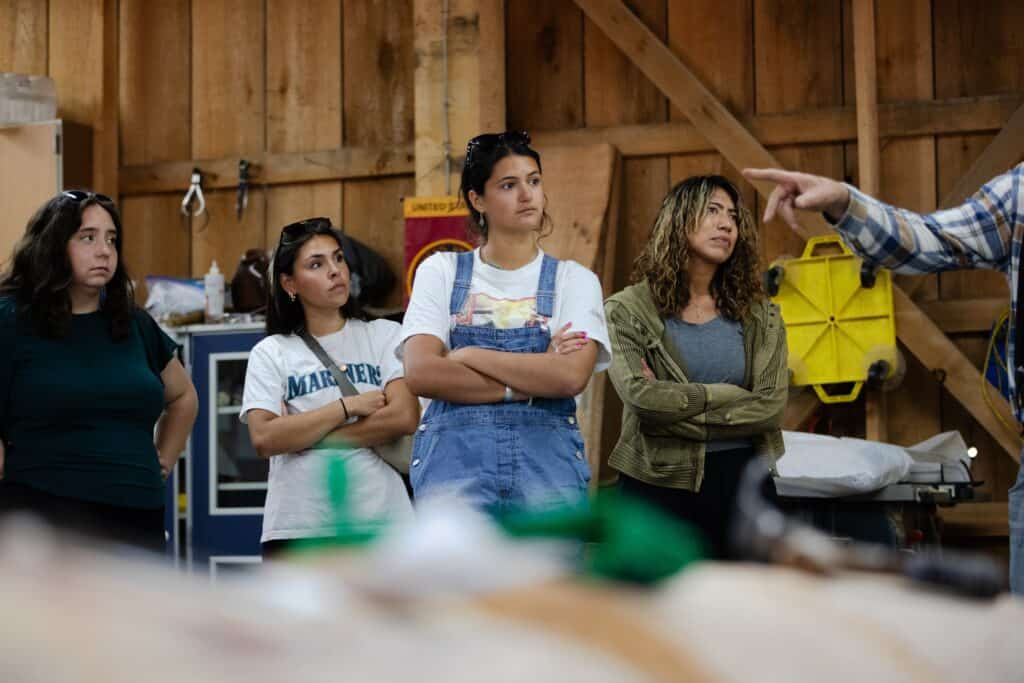
Learning in community
When Christian was exploring next steps after college, an opportunity with Sealaska arose. There were other options, but he kept thinking about everything he and Sealaska had shared as he grew — culture camps, scholarships, and a sense of belonging. That connection was what influenced his decision to return and to inspire that cultural connection for others — to benefit them as it had benefited him.
Our shareholder and descendant support programs — whether a scholarship or another opportunity — are about strengthening our relationships as people and our resilience as communities.
It is inspiring to see how many Sealaska employees, leaders, and board members have also been scholarship or internship recipients. The vision behind these programs is being realized — we are doing more than funding education; we are investing in future leaders.
We must continue educating and empowering our young people, wherever they are. They need to know the many ways they can make an impact in their communities. Their voices, their influence, and their values are needed — especially in spaces where Alaska Native perspectives may not be as visible.
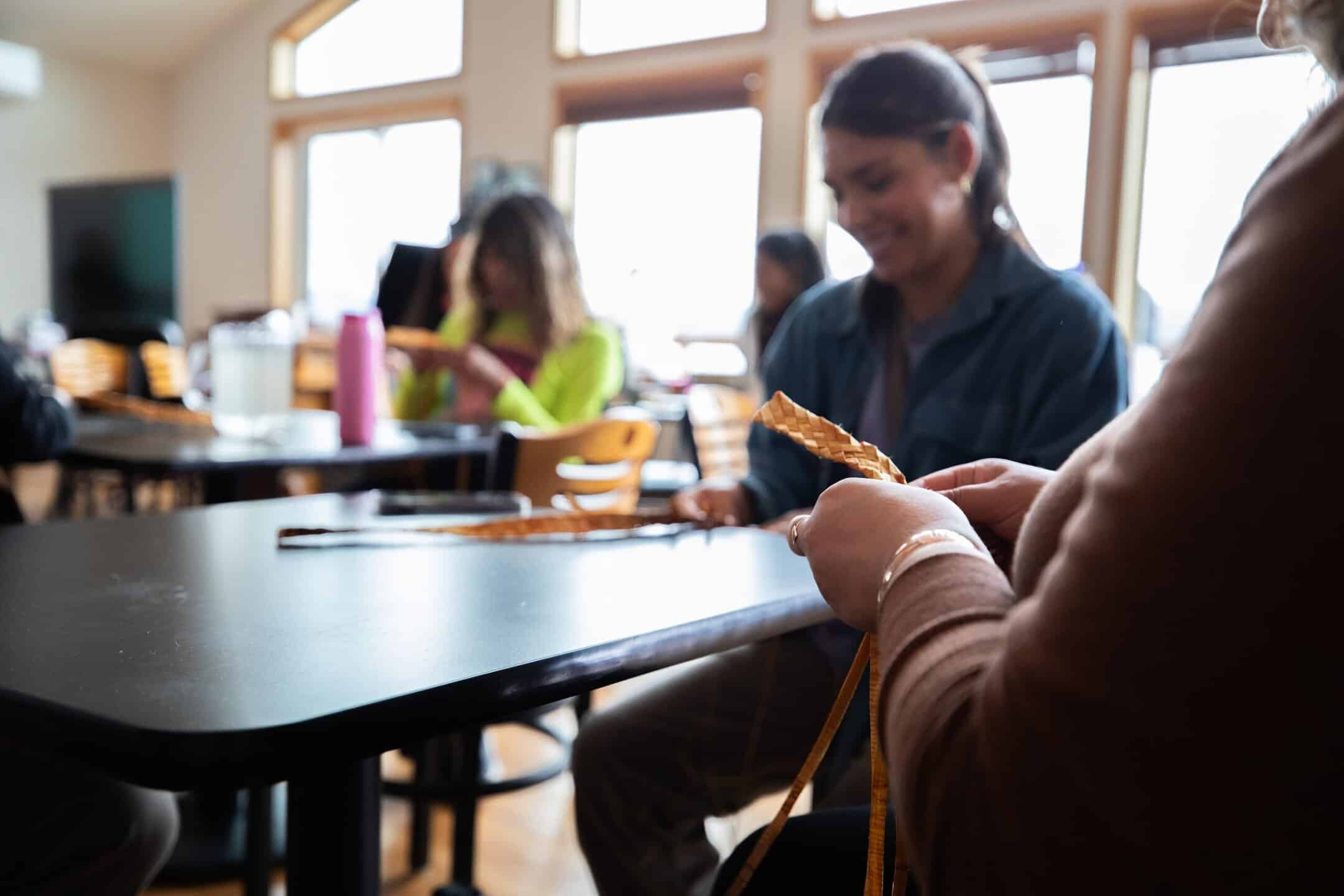

Christian K̲aat’aawu
Gomez
Scholarship Recipient
Thank you
GunalchéeshHáw’aaT’oyaxsut ‘nüüsm